Mount Kīlauea Tephra - Breath of the Fire Goddess
From one of the most violent processes on Earth comes one of the lightest natural minerals in existence…

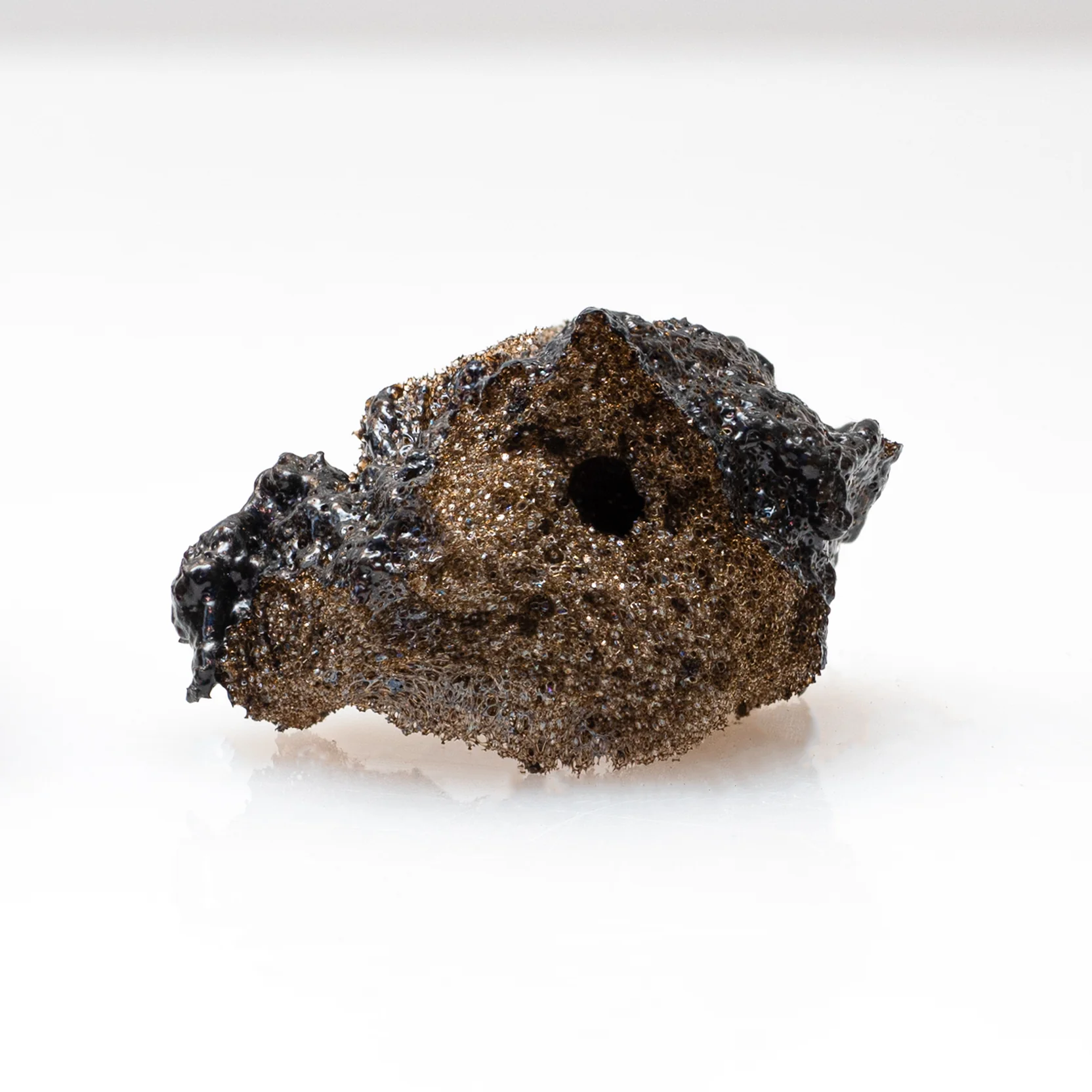
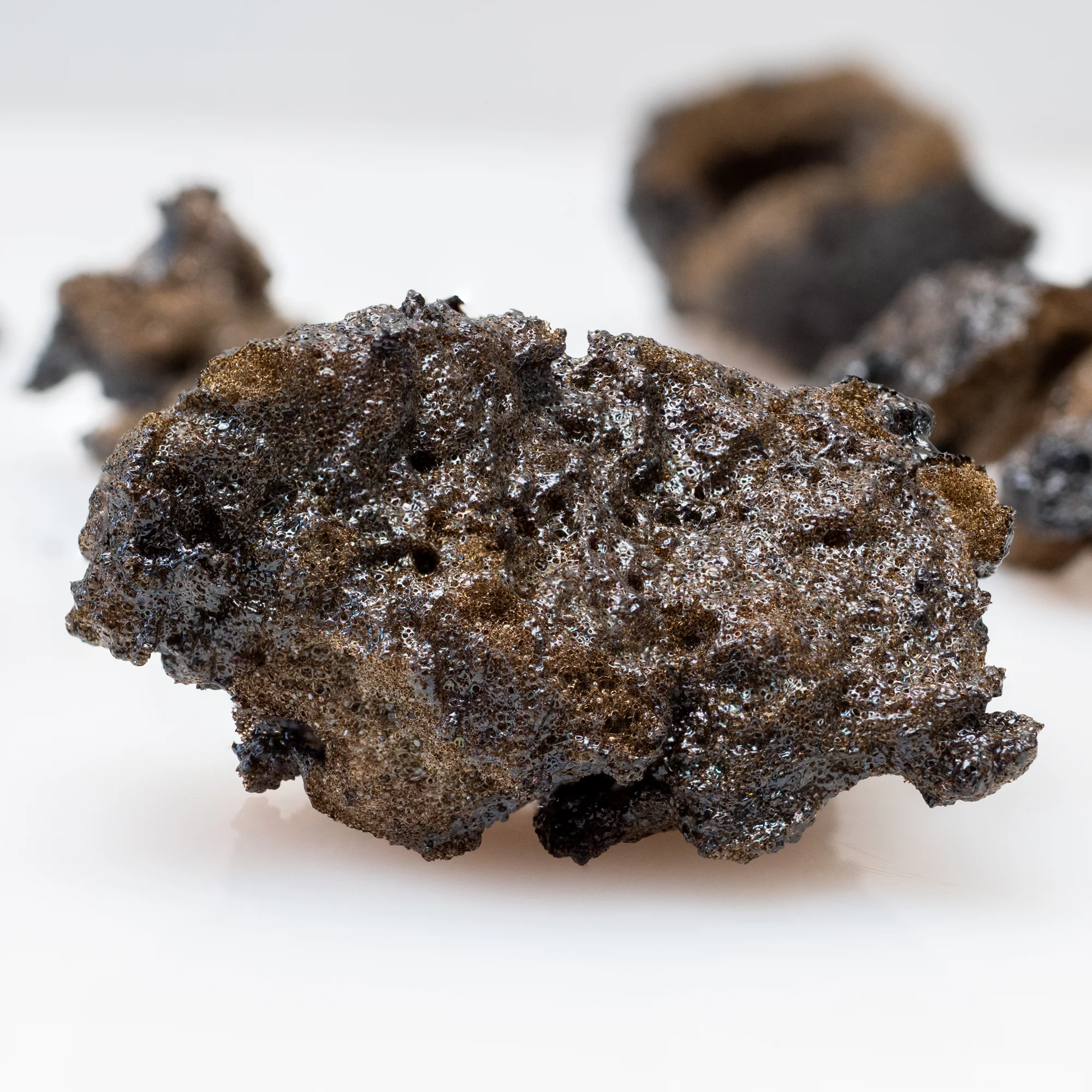
The term “tephra” describes any fragment of rock ejected from a volcano during a violent eruption, from tiny particles of ash to dangerous lava bombs. In between these extremes, one finds the most ethereal forms of rock. Molten lava stretched as fine as strands of hair, tear-like pools of jet black volcanic glass, and fragile latticeworks formed in an instant as vigorous lava fountains exhale under immense pressure.

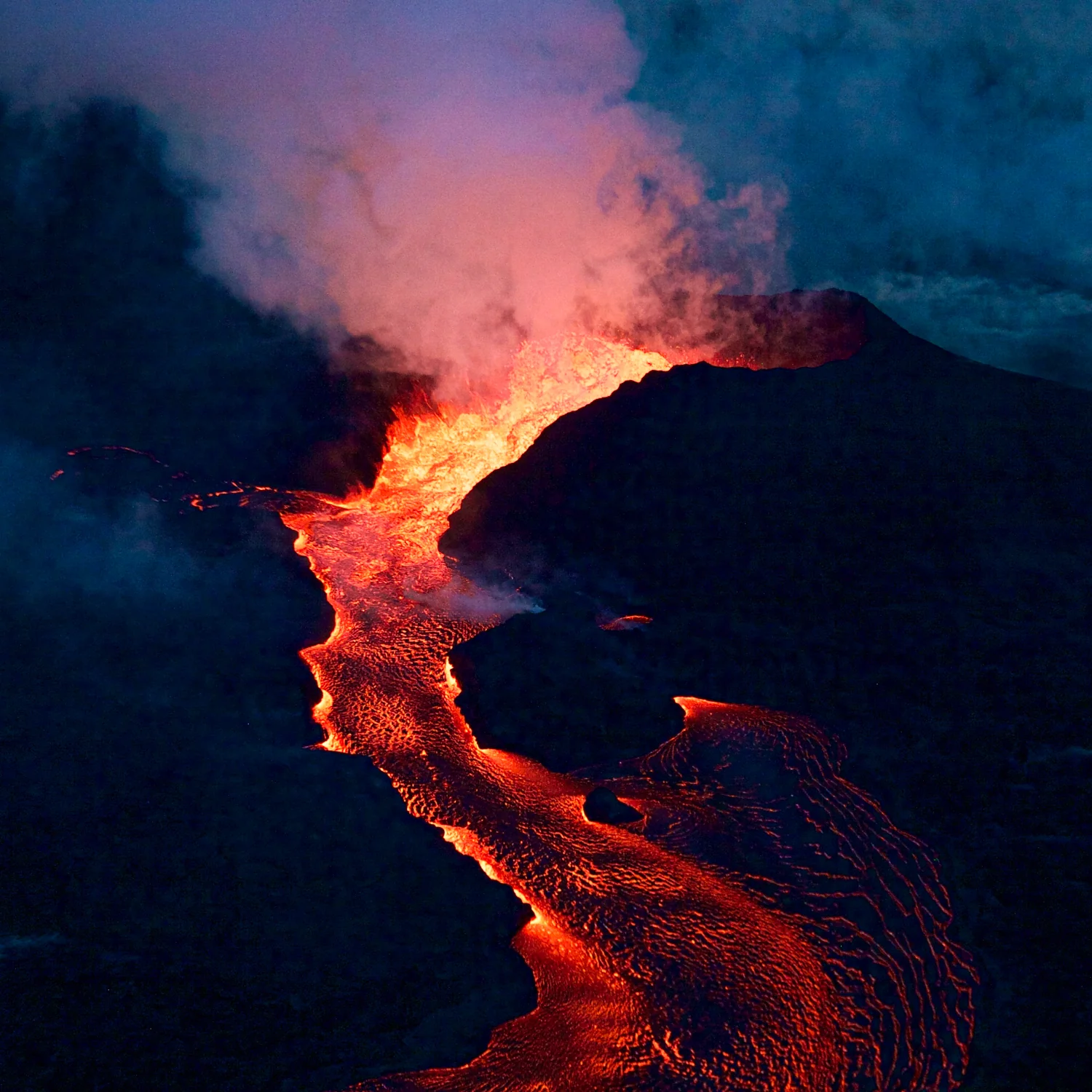
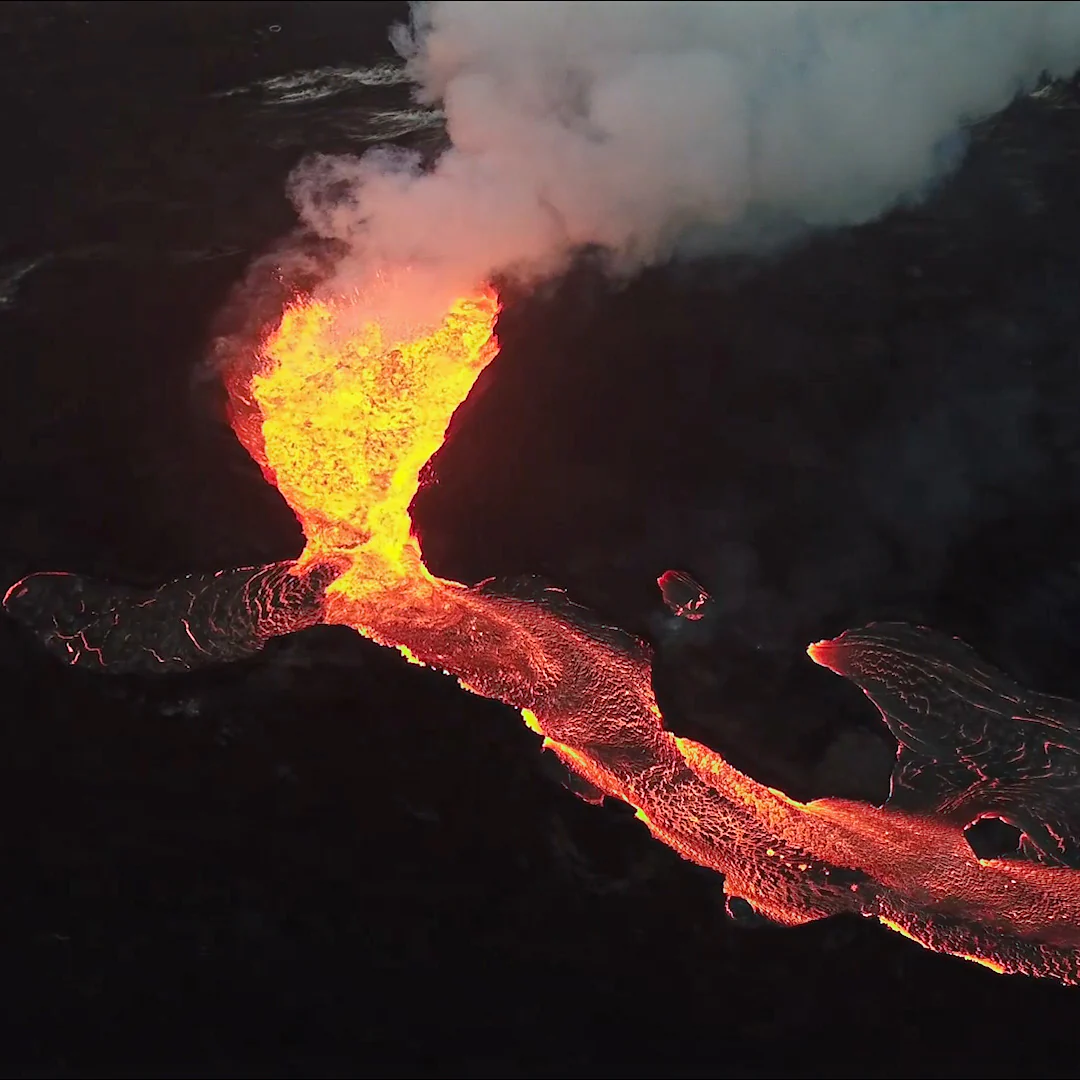
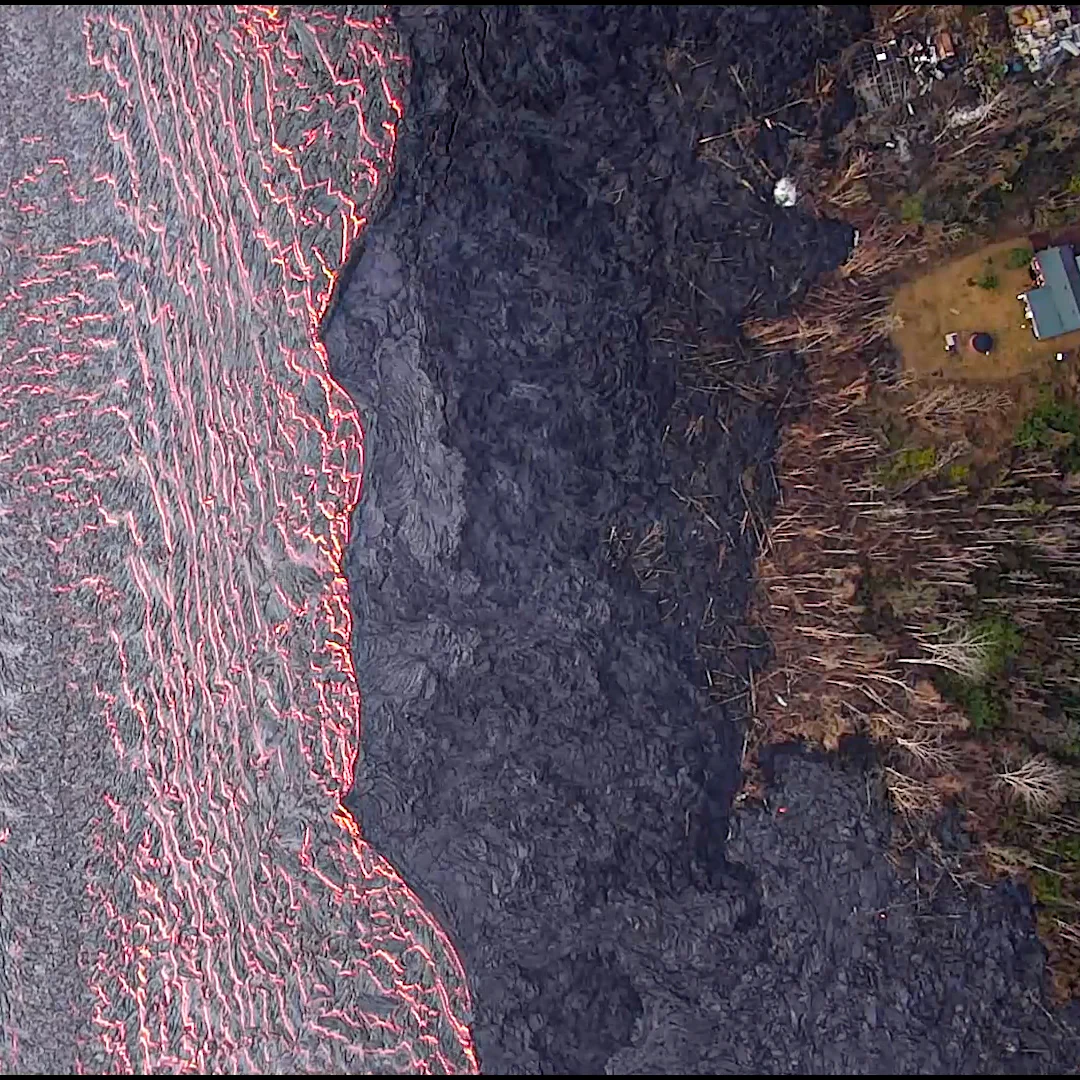
Above: Early morning view of Fissure 8. Lava roils and pours out of the spatter cone into the open channel on June 28th, 2018 (Source: USGS)
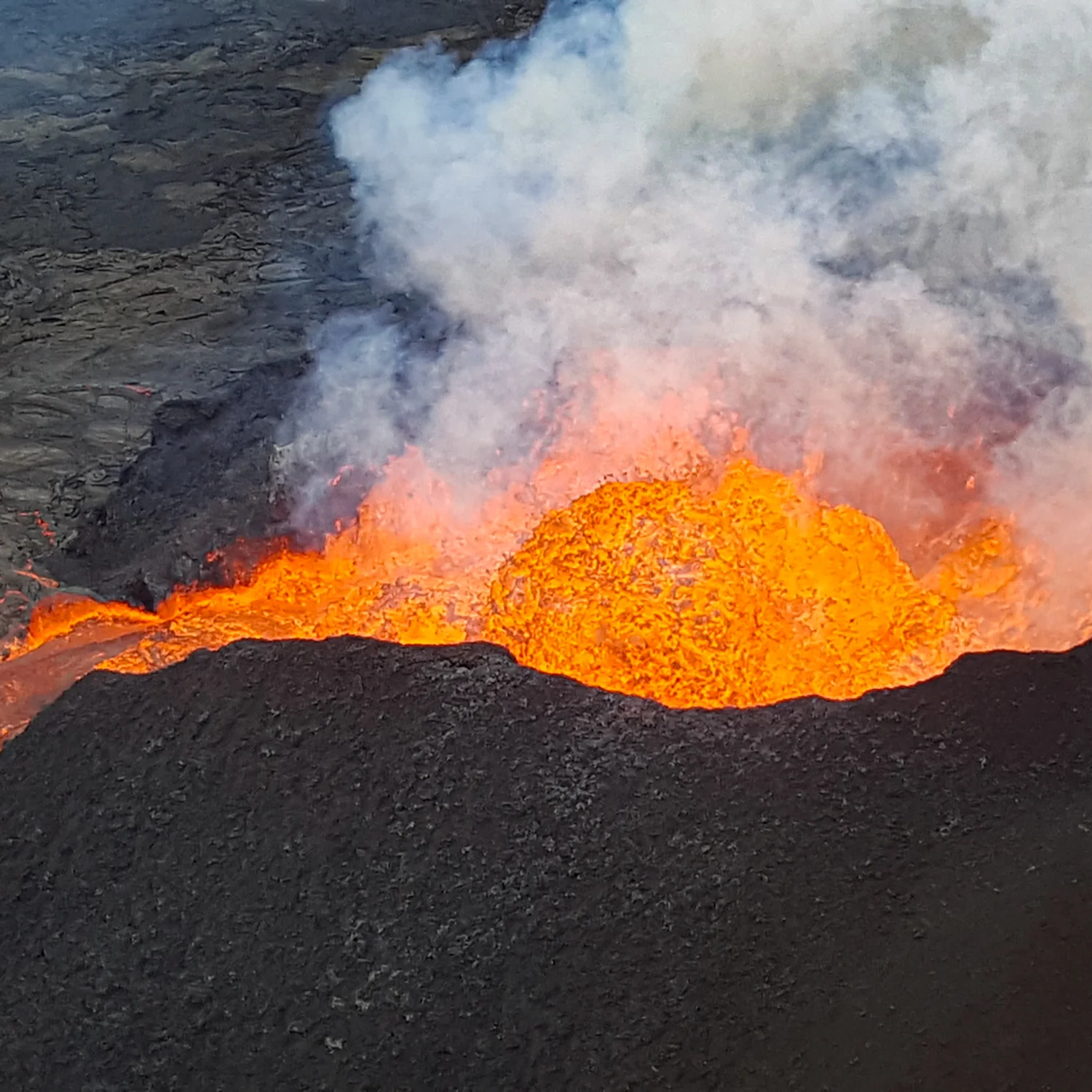
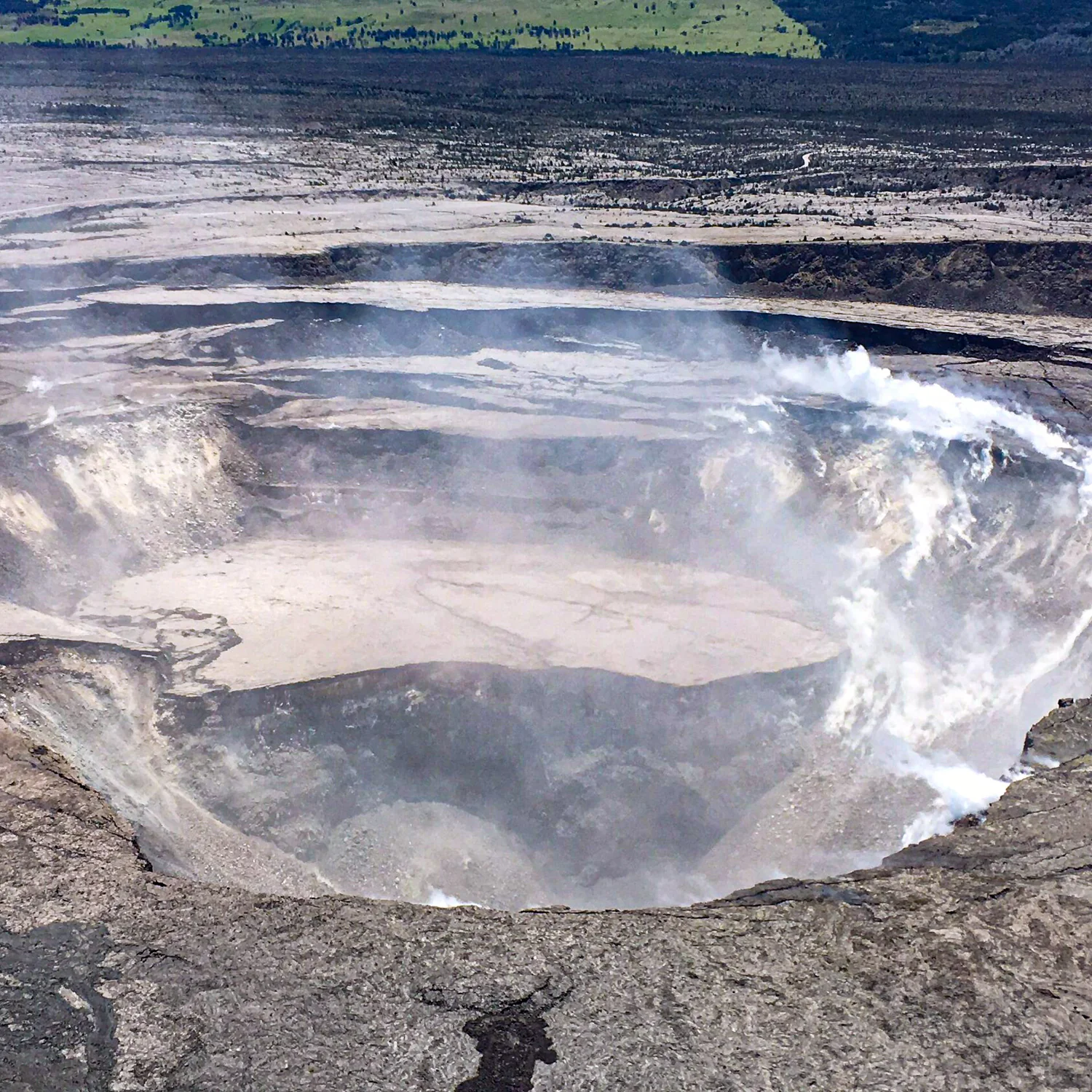
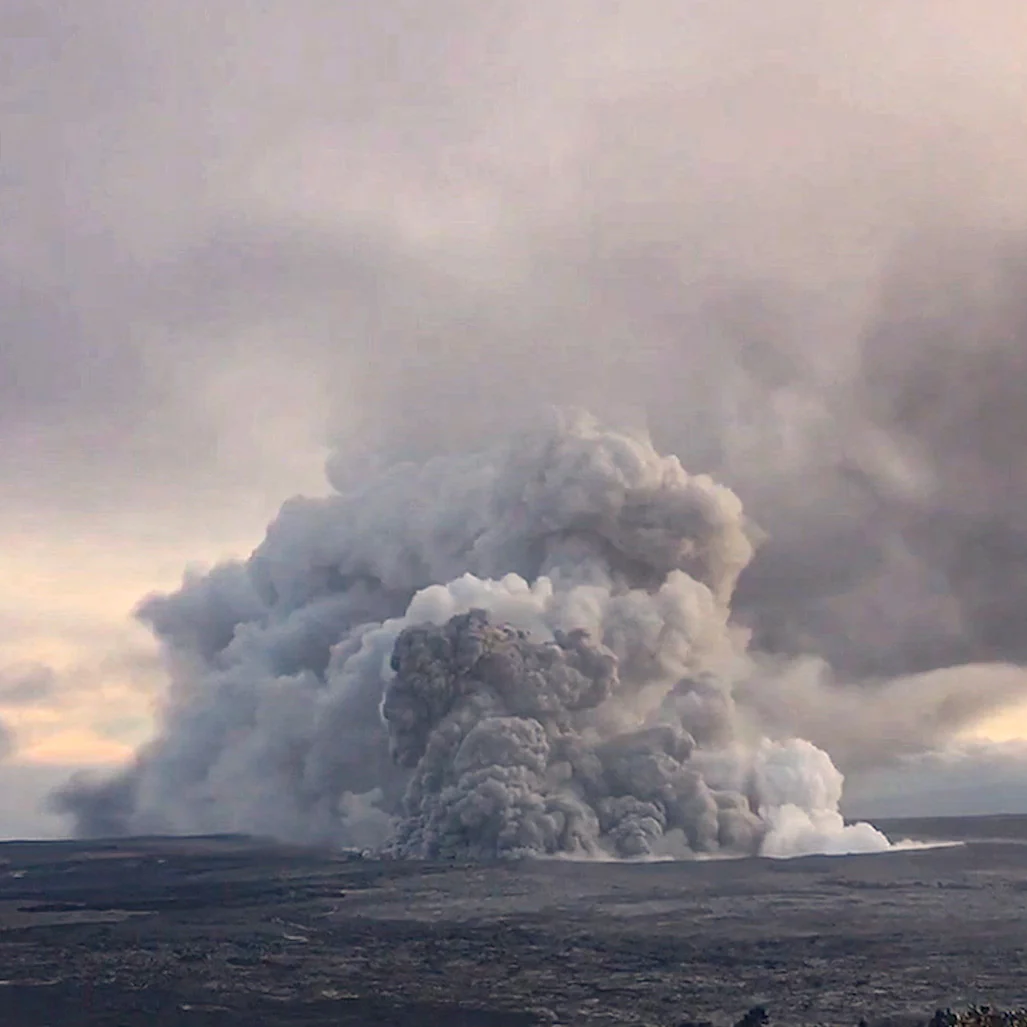
This specimen is a product of the violent 2018 lower Puna eruption in the East Rift Zone of Mount Kīlauea in Hawaiʻi. The eruption began on May 3, 2018, with the collapse of the Puʻu ʻŌʻō eruptive vent. As the summit of Mount Kīlauea deflated, more than 1 billion cubic yards of red hot lava rushed into the East Rift Zone, one of two series of cracks and fissures. The event ended eight months later, capping the decades-long eruption of Mount Kīlauea which began in 1983.
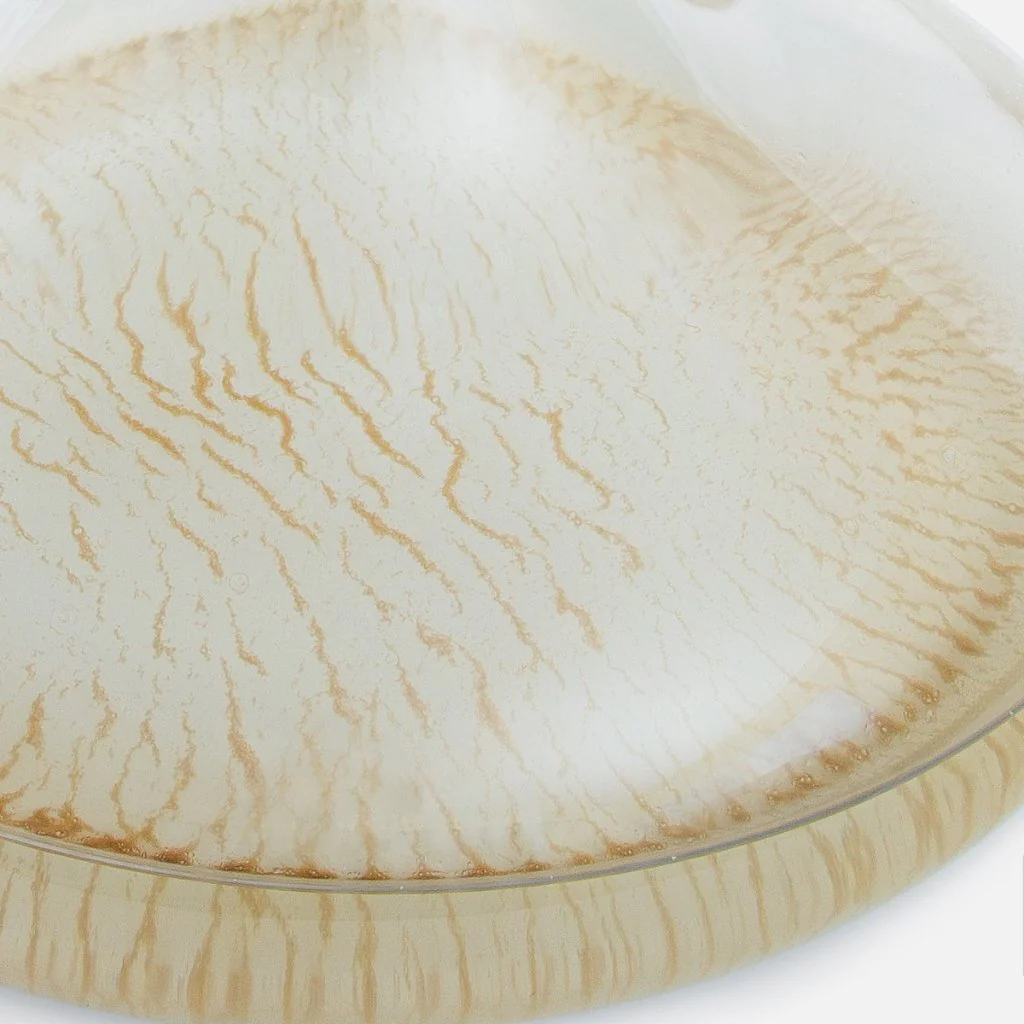
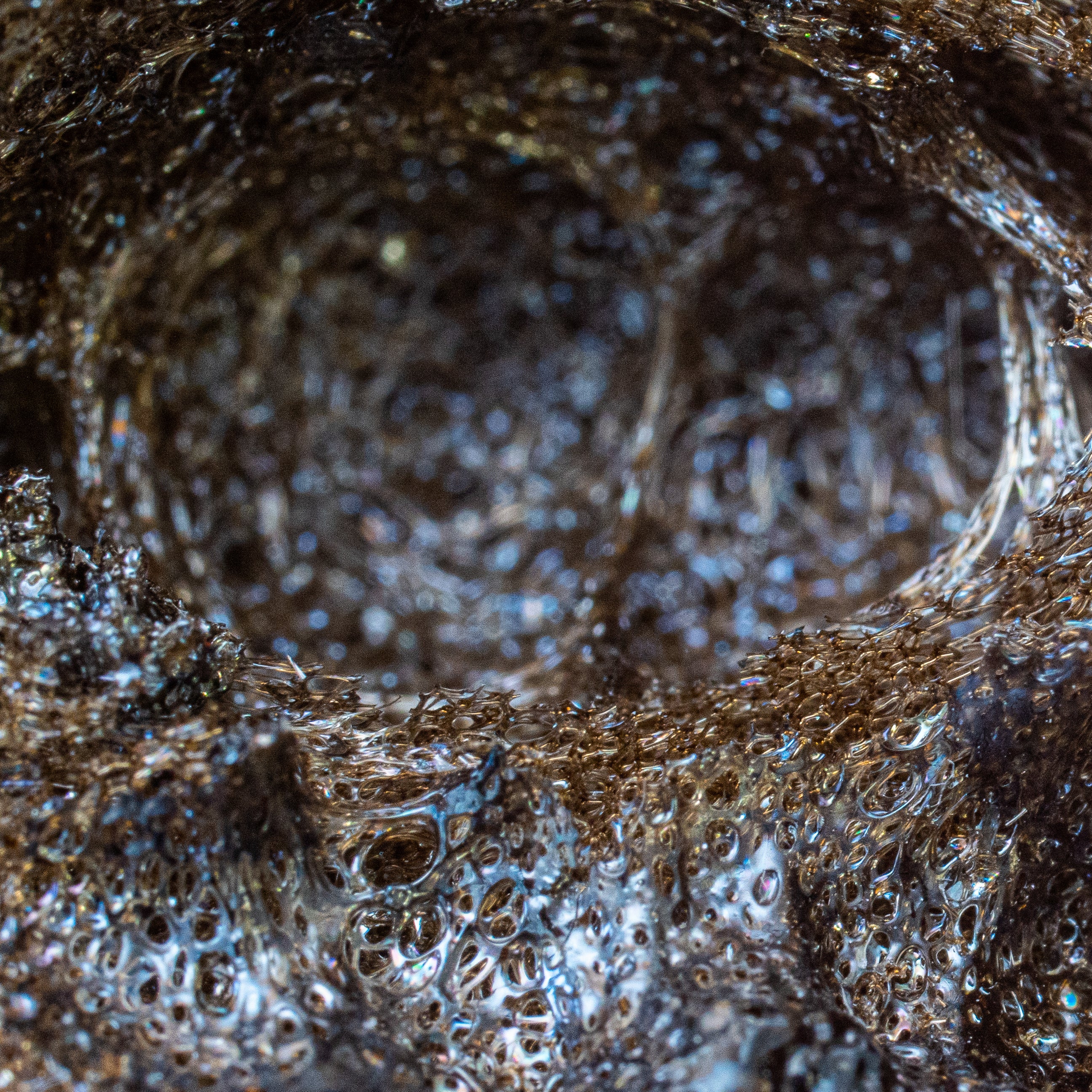
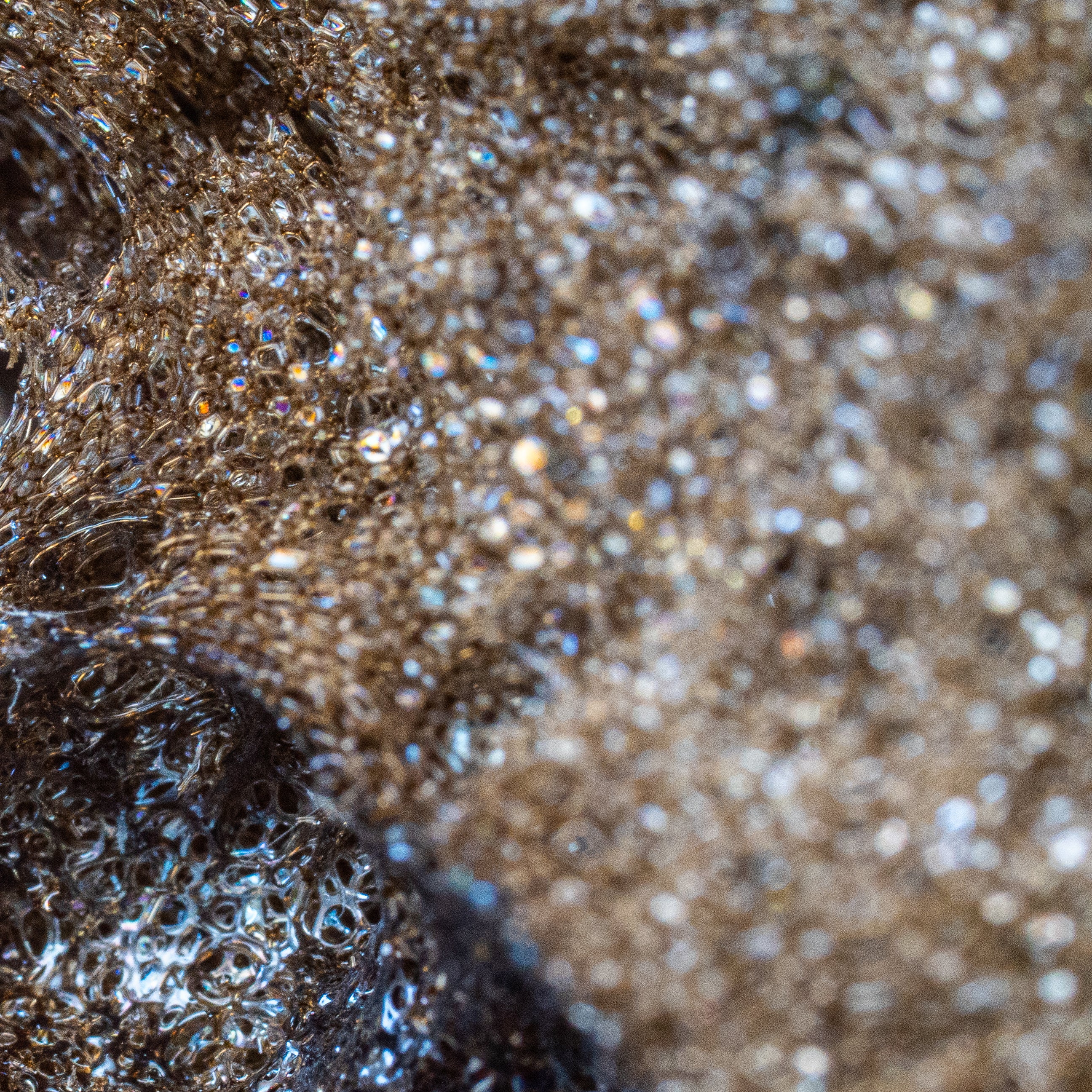
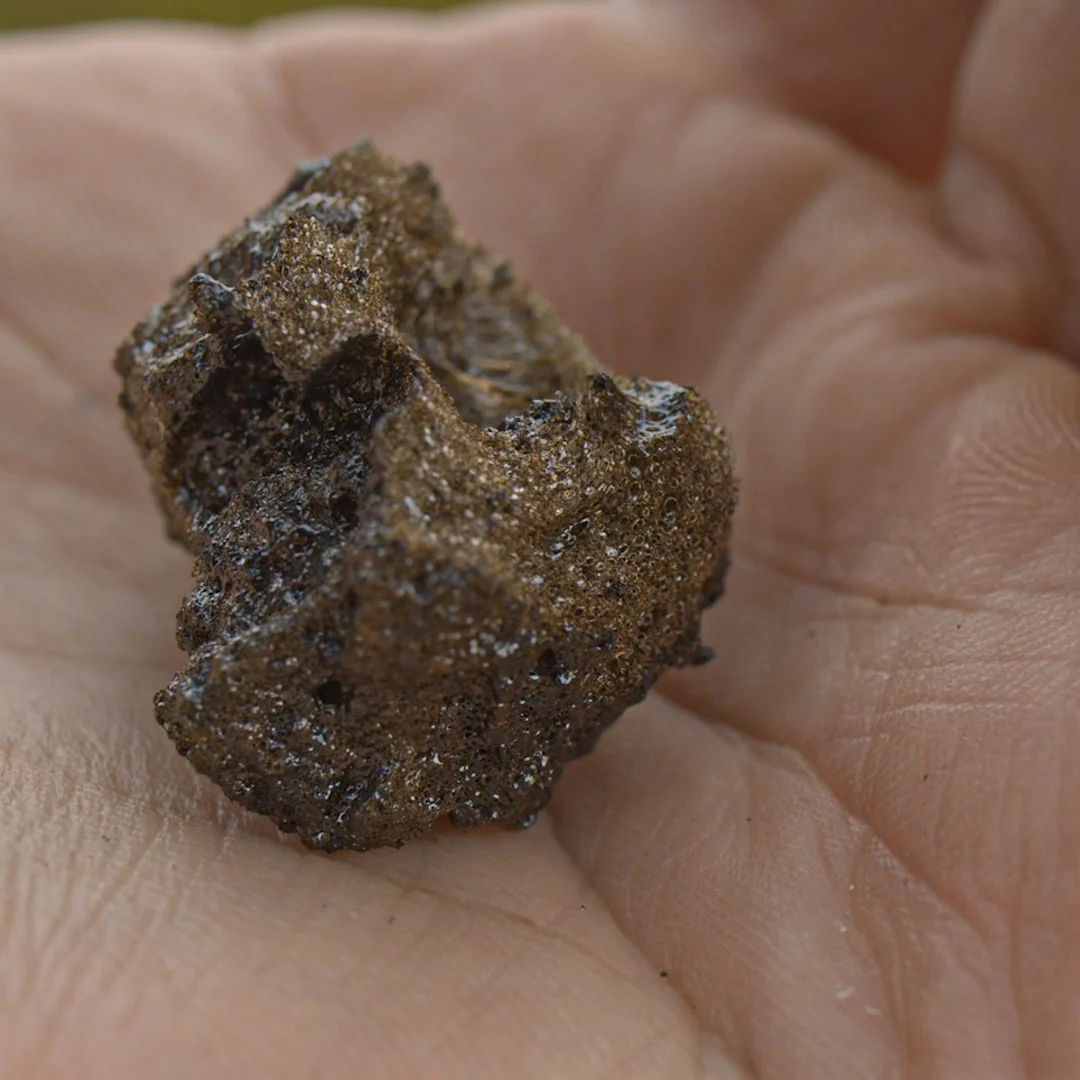
Personally collected on private land near the East Rift Zone in 2018 by long-time friend of the Mini Museum and world-renowned natural history expert, Tom Kapitany, this ultralight tephra falls between pure reticulite and golden pumice at 94-97% porosity. They formed as expanding gasses forced molten lava into vigorous fountains spraying thousands of feet into the air. The rapid change in pressure forces the gasses inside the lava to escape at rapid speed, leaving behind a delicate network of interconnected glass filaments.
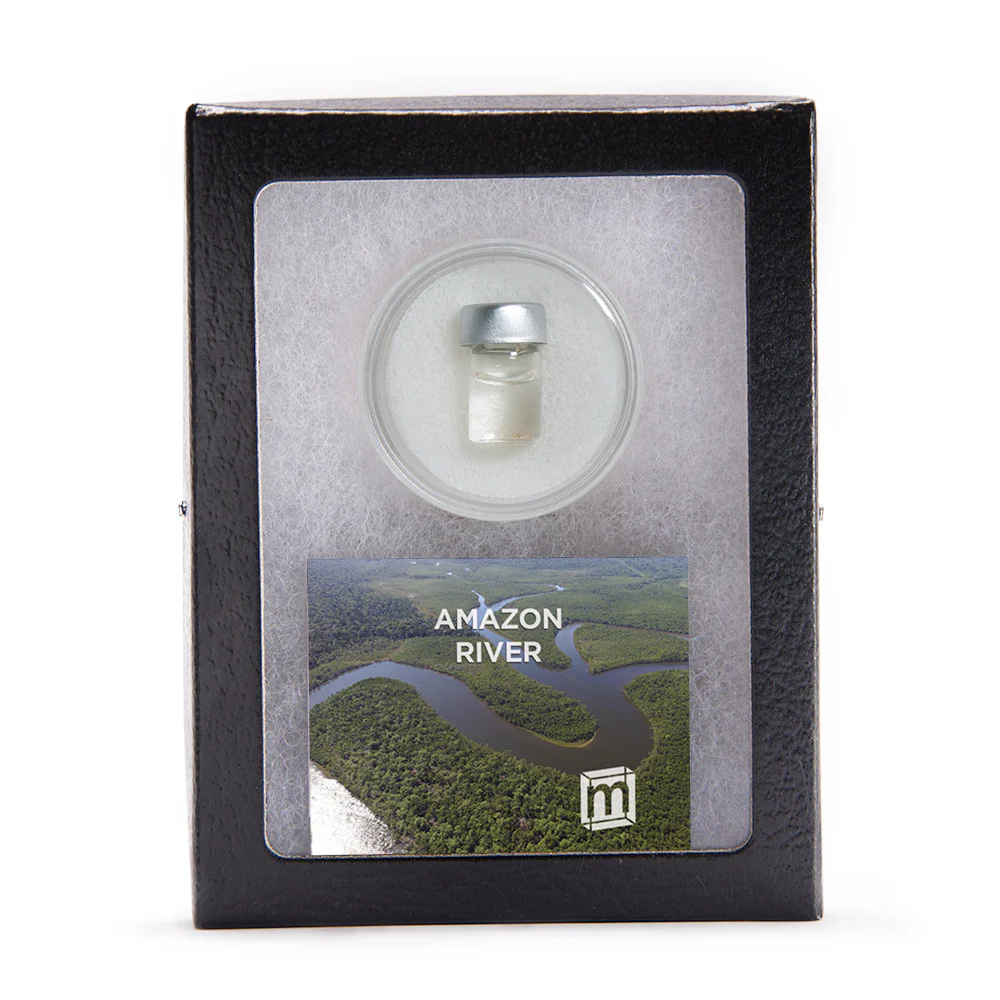
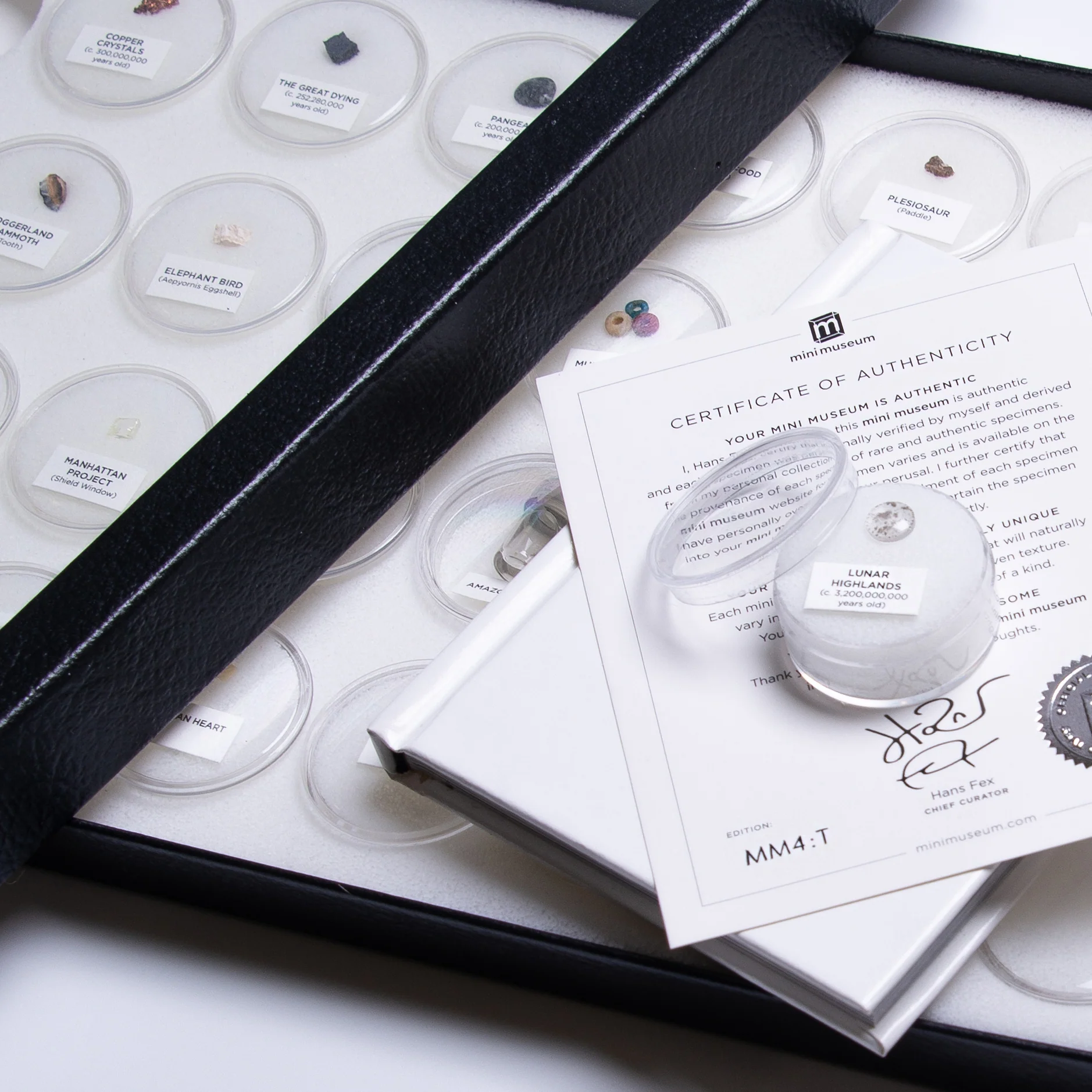
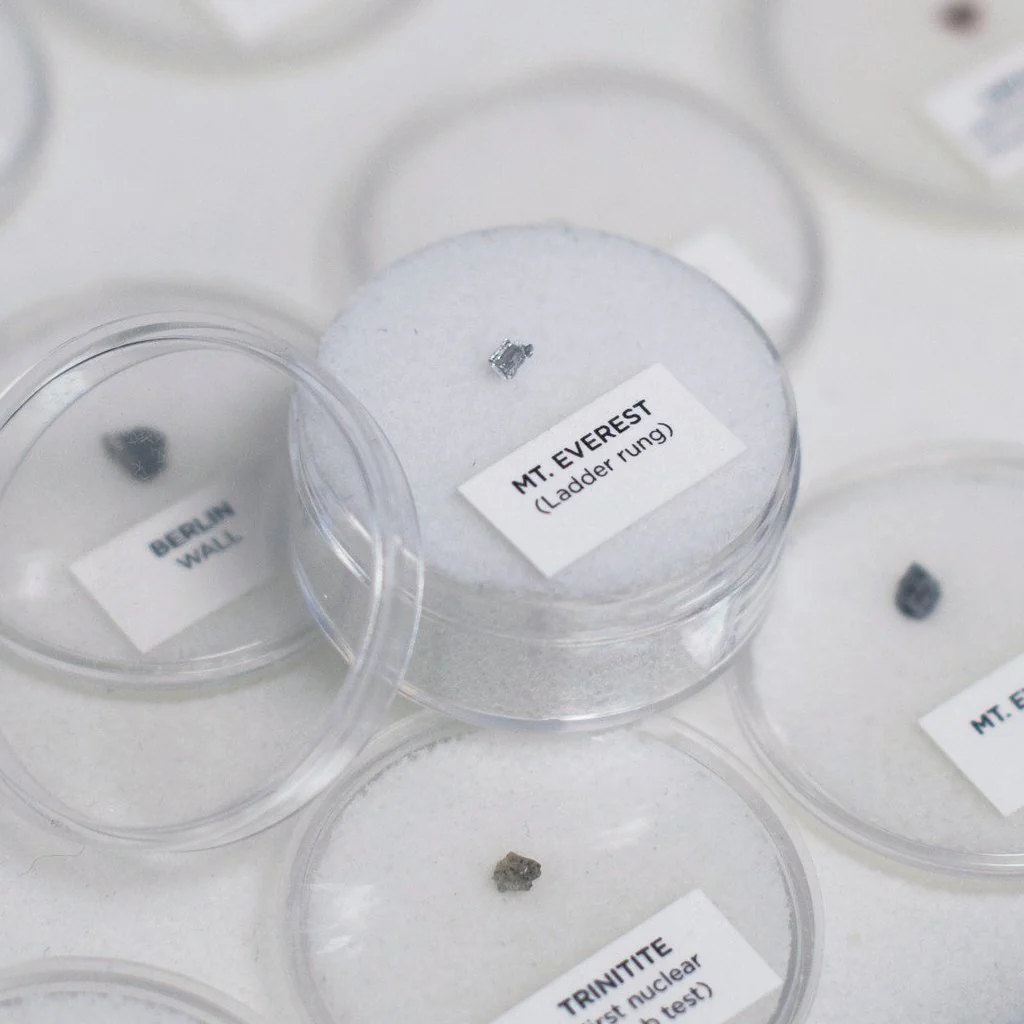
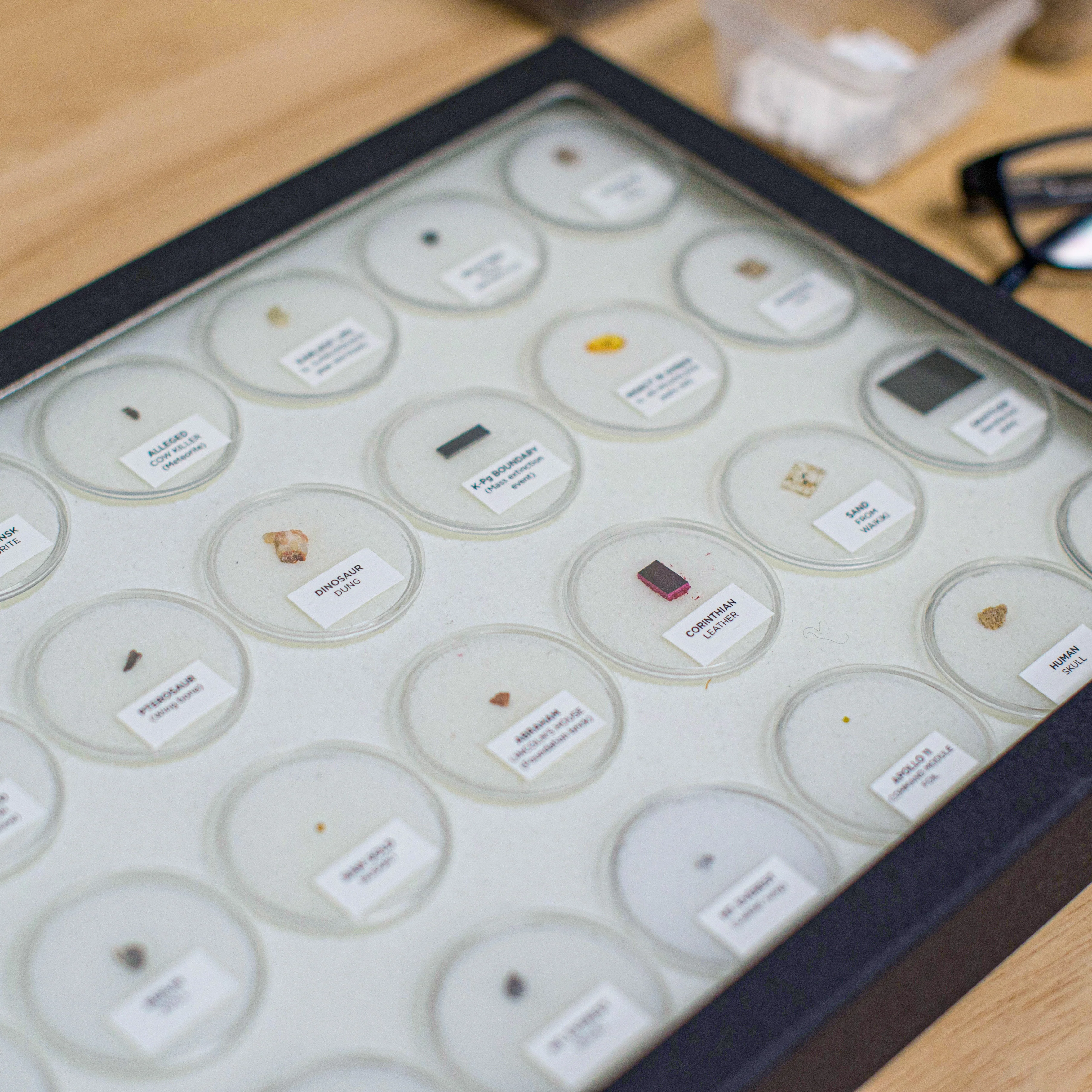
The specimen is encased in an acrylic specimen jar with foam padding cut to size for each individual specimen. The jar is enclosed in a classic, glass-topped riker display case measuring 4x3x1 inches, and a small information card is included.
Please Note: These tephra are extremely light and fragile and tend to shed small crumbs of material. This will happen no matter how gently you treat the material. So when handling the specimen, take care. They’re so very light. In fact, it’s a bit mind-blowing to handle them, and you will probably laugh a little bit and want to bounce it in your palm. Be careful if you do this because you can easily crush the tephra to powder. This is all a nice way of saying there’s bound to be a few crumbs inside of the jar when you receive the specimen. No way to avoid this with such a delicate mineral.
Original: $19.00
-70%$19.00
$5.70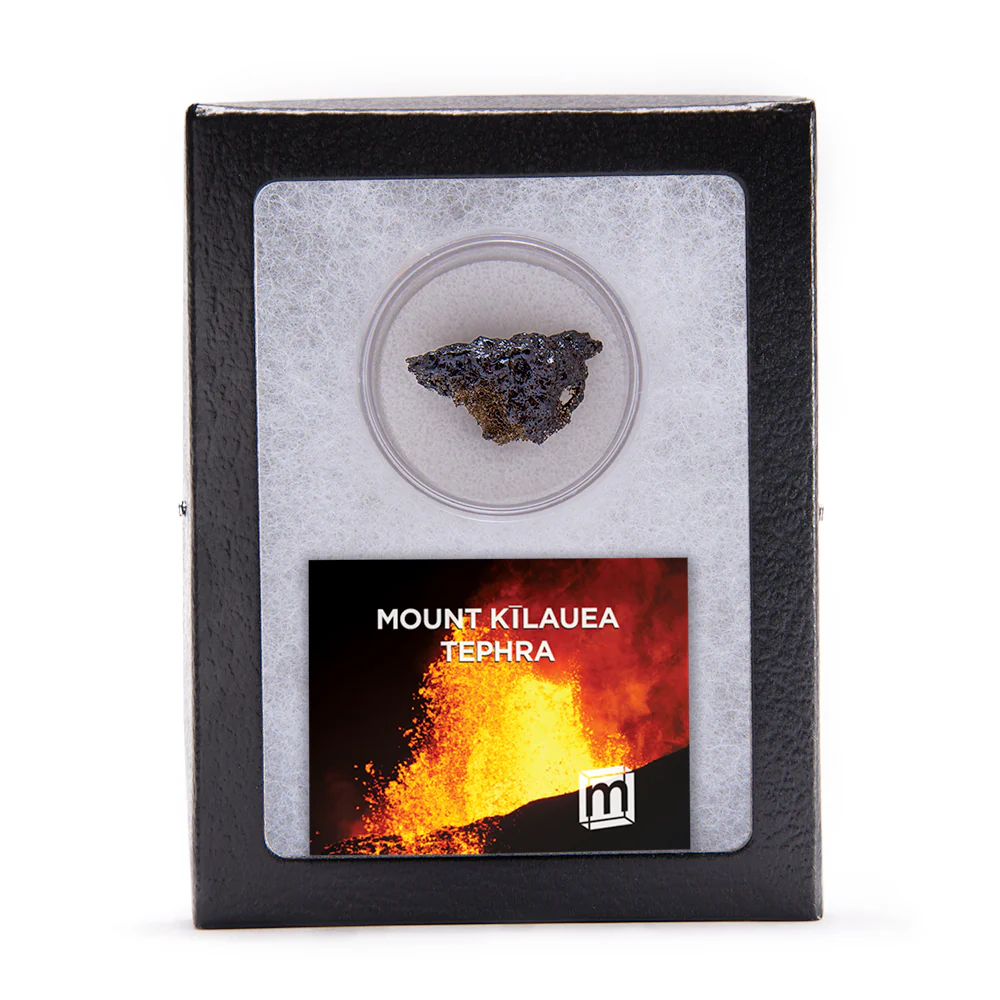
Description
From one of the most violent processes on Earth comes one of the lightest natural minerals in existence…
The term “tephra” describes any fragment of rock ejected from a volcano during a violent eruption, from tiny particles of ash to dangerous lava bombs. In between these extremes, one finds the most ethereal forms of rock. Molten lava stretched as fine as strands of hair, tear-like pools of jet black volcanic glass, and fragile latticeworks formed in an instant as vigorous lava fountains exhale under immense pressure.
Above: Early morning view of Fissure 8. Lava roils and pours out of the spatter cone into the open channel on June 28th, 2018 (Source: USGS)
This specimen is a product of the violent 2018 lower Puna eruption in the East Rift Zone of Mount Kīlauea in Hawaiʻi. The eruption began on May 3, 2018, with the collapse of the Puʻu ʻŌʻō eruptive vent. As the summit of Mount Kīlauea deflated, more than 1 billion cubic yards of red hot lava rushed into the East Rift Zone, one of two series of cracks and fissures. The event ended eight months later, capping the decades-long eruption of Mount Kīlauea which began in 1983.
Personally collected on private land near the East Rift Zone in 2018 by long-time friend of the Mini Museum and world-renowned natural history expert, Tom Kapitany, this ultralight tephra falls between pure reticulite and golden pumice at 94-97% porosity. They formed as expanding gasses forced molten lava into vigorous fountains spraying thousands of feet into the air. The rapid change in pressure forces the gasses inside the lava to escape at rapid speed, leaving behind a delicate network of interconnected glass filaments.
The specimen is encased in an acrylic specimen jar with foam padding cut to size for each individual specimen. The jar is enclosed in a classic, glass-topped riker display case measuring 4x3x1 inches, and a small information card is included.
Please Note: These tephra are extremely light and fragile and tend to shed small crumbs of material. This will happen no matter how gently you treat the material. So when handling the specimen, take care. They’re so very light. In fact, it’s a bit mind-blowing to handle them, and you will probably laugh a little bit and want to bounce it in your palm. Be careful if you do this because you can easily crush the tephra to powder. This is all a nice way of saying there’s bound to be a few crumbs inside of the jar when you receive the specimen. No way to avoid this with such a delicate mineral.